


Automatic Door Installation and Servicing Specialists





There is an extensive range of safe and reliable door…


Sectional Overhead Doors Sectional overhead doors are used when side…

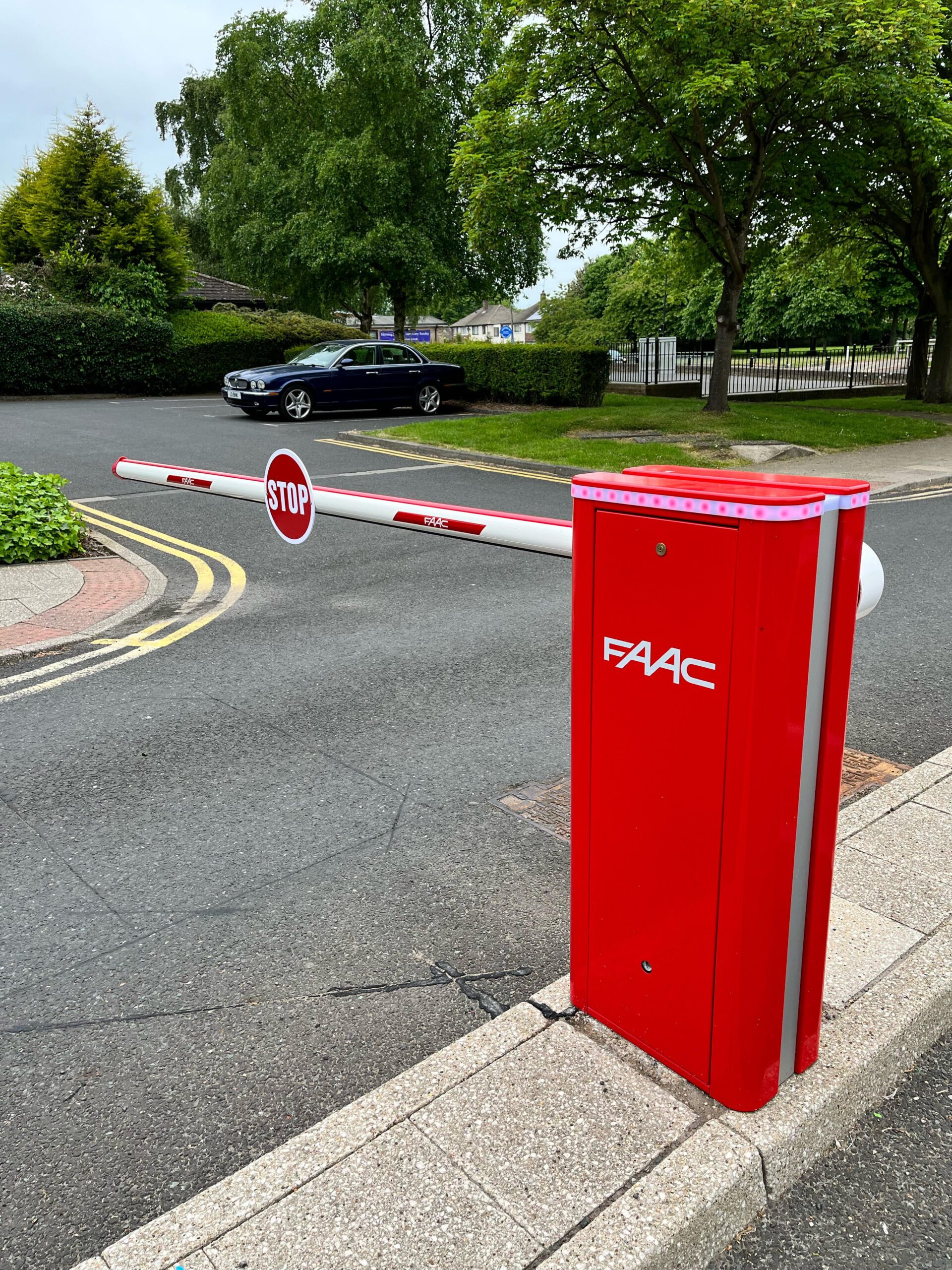
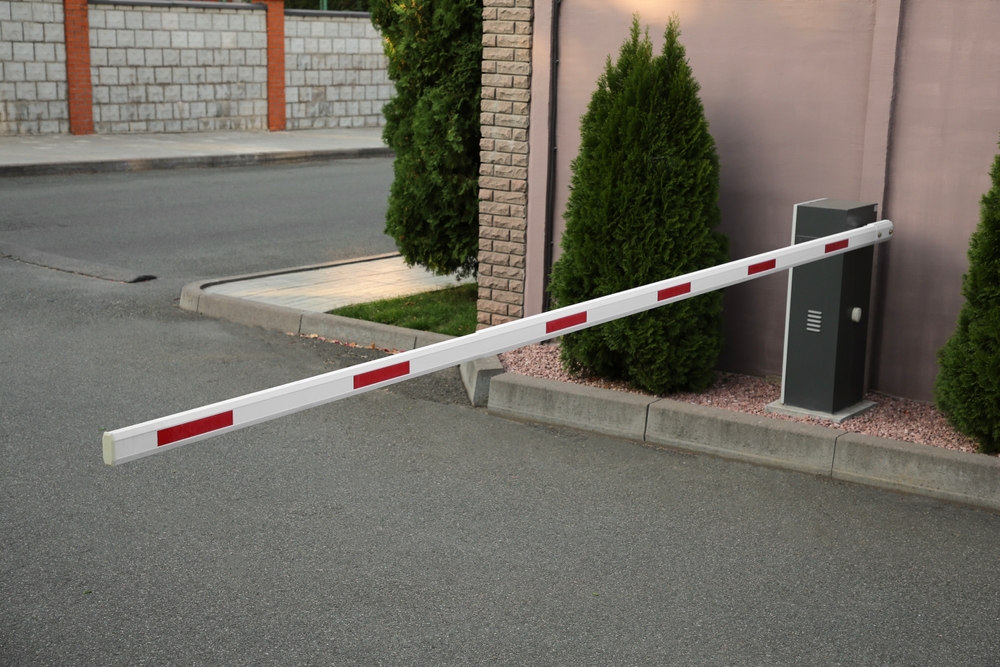
Automatic barriers use electronic mechanisms, sensors and cameras to monitor different variables such as a vehicle’s presence, ticket validation or license plate recognition.
Once a vehicle is detected, the control unit checks the access control system for authorisation, which usually involves reading a ticket, scanning an RFID tag or receiving a signal from a remote control. If successful, this activates the motor to lift the barrier arm, allowing the vehicle to pass.
There are various types of barrier arms, including:
An automatic door barrier can cost anywhere between £1,000 for basic structures and up to £10,000 for heavy-duty types. The cost largely depends on the complexity of your use case and what features are required.
Additional costs to consider include installation, maintenance contracts and groundwork that the premises may need before implementation.
Most barriers need to be placed in outside spaces, so they must be robust enough to cope with harsh environmental conditions. Most barriers are IP-rated and protected against water ingress, but regular maintenance is required to keep the sensors performing as they should.
Here at Northern Door Solutions, our barriers are made from robust materials like steel or aluminium.
Yes, automatic barriers are often integrated with a wide range of existing security systems. This includes access control systems such as keypads, intercoms, biometric readers, numberplate recognition and CCTV cameras.
These integrations ensure site safety and security by only allowing authorised personnel to enter the premises.
If your premises have a centralised control system that manages all barriers, you can set up multiple barriers to work together. Barriers can communicate with each other through Ethernet or Wi-Fi, sharing information about their status, which can trigger each other’s actions.
Automatic barriers have built-in sensors to monitor obstacle detection, which prevents the arm from closing in on vehicles or pedestrians. Some devices have loop detectors which can identify larger vehicles, triggering the barrier’s operation to prevent it from raising if a vehicle is too large.
Warning lights and beeps can also be activated during movement to alert pedestrians and drivers nearby.